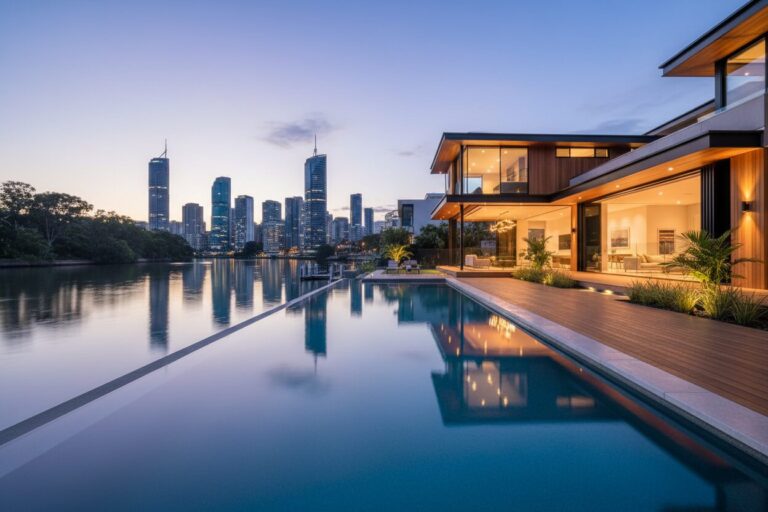
If you live in Brisbane – or you’re trying to – you can probably feel the heat in the property market without reading a single headline. Opens are packed, rentals are snapped up after the first inspection, and “under offer” signs seem to go up almost as fast as the boards.
The latest data just confirms what locals already know: Brisbane is in the middle of an extraordinarily strong run, and there’s no clear sign of it stopping in 2026.
Let’s unpack what’s going on in plain English, and what it actually means if you’re trying to buy or rent in Brisbane right now.
Prices are high – and tipped to go higher
Independent forecasts released this week are calling for Brisbane house prices to rise about 10.9% in 2026, making us one of the fastest‑growing capitals, behind only Perth. That’s off the back of a very big year already, with prices jumping strongly through 2025.
Recent figures show:
- Brisbane dwelling values rose about 1.6% in December,
- Roughly 5.6% over the quarter, and
- Around 14–15% over the year to December 2025.
Median dwelling values are now around $1.04 million, and many updates are putting the median house price at or just above the $1 million mark.
In other words, that mental line in the sand – “I’ll buy before houses hit a million” – has already been crossed in many suburbs. For a lot of families, you’re no longer asking “Can I buy under $1m?” but “How far over $1m do I have to stretch to get what I want?”
The strongest growth isn’t at the top end
One of the more interesting trends buried in the numbers is where the growth is happening.
Over the last quarter of 2025, the bottom 25% of the market – the more affordable segment – actually grew faster than the top end. That’s not what we usually see late in a cycle, when prestige suburbs often lead.
This time, the real pressure is in the “entry level” and family markets:
- First‑home buyers trying to escape rising rents
- Young families upsizing before they’re priced out
- Investors hunting yield in more affordable suburbs
Put simply, the suburbs that used to be the “cheaper alternatives” are no longer quiet backwaters. They’re now the battlegrounds.
Low listings are supercharging competition
If you’ve been house‑hunting, you’d have noticed this first‑hand: there just isn’t much on the market.
Recent data suggests new listings were down about 25% year‑on‑year in late December, even as demand stayed very strong. When you combine fewer homes for sale with more buyers in the market, you get:
- Bigger crowds at open homes
- More multiple‑offer scenarios in private treaty suburbs
- Auctions that feel like a contact sport
Well‑located homes that are presented properly are often getting multiple offers within days. Buyers who are organised, pre‑approved, and realistic on price are the ones getting contracts signed.
Are prices running ahead of the “fundamentals”?
Several analysts are now saying that prices are running ahead of traditional fundamentals like wages and borrowing capacity. That’s not purely a Brisbane story – Perth is in a similar boat – but it’s very visible here.
What’s driving it?
- Fear of missing out (FOMO): Especially from renters facing constant rent hikes and limited choice.
- Policy incentives: Low‑deposit schemes and other incentives are pulling forward demand, particularly at the entry level.
- Undersupply: Years of under‑building, slow approvals, and rising construction costs mean there simply aren’t enough homes.
None of that means we’re guaranteed a “crash”, but it does mean this pace isn’t sustainable forever. At some point, affordability acts as a brake. The key question is whether we ease off the accelerator or slam on the brakes – and right now, there’s no obvious trigger for a hard stop in Brisbane.
Rents: still rising, still painful
If you’re renting in Brisbane, you don’t need a chart to tell you what’s happening.
The latest numbers show:
- Median asking rent for houses has climbed to about $670 per week
- Units are now around $650 per week
Brisbane recorded the fastest rent increases among the capitals over the December quarter. Other updates put annual rent growth at roughly 6–7% for both houses and units through 2025.
There is a tiny bit of good news: vacancy rates have nudged up slightly. But “slightly” really is the key word.
Vacancies are sitting around 0.9–1.2%, when 2.6–3.5% is what we’d usually call a balanced rental market. So we’re still in landlord‑friendly territory:
- Good properties are getting multiple applications
- Many renters are being forced to compromise on location, size, or quality
- Renewal notices are often coming with hefty rent increases attached
The market is easing from “panic” to merely “very tight”, but for tenants on the ground, it’s still tough.
What this all means if you’re buying in Brisbane now
If you’re looking to buy in 2026, here’s the uncomfortable truth: most commentators expect further price growth this year, especially in entry‑level and family suburbs.
What that means in practice:
- Waiting for a big fall is a high‑risk strategy
With forecasts calling for around 10.9% growth this year, sitting on the sidelines could see your target home move further out of reach. If you’re financially ready, the bigger risk may be doing nothing. - You need to be laser‑prepared
- Have a current pre‑approval (not something you got six months ago).
- Be clear on your absolute limit before you walk into an open or auction.
- Line up your building and pest inspectors so you can move quickly on a good property.
- Be flexible on the “Instagram wishlist”
You may need to trade one of the big three: suburb, size, or finish.- Maybe it’s the right layout and location but needs cosmetic work.
- Maybe it’s not your first‑choice suburb but has solid fundamentals and good school catchments.
- Focus on quality, not just “cheap”
In a rising market, the temptation is to grab whatever you can afford. But not all property rises equally. Aim for:- Liveable streets, walkability, and good schools
- Solid construction and potential to add value over time
- Suburbs with real owner‑occupier appeal, not just investor stock
If you can tick those boxes, short‑term price noise matters less. The real game is how that property performs over the next 7–10 years.
What this means if you’re renting in Brisbane now
For renters, the balance of power is still with landlords, but there are some subtle shifts worth noting.
- Budget for further rent increases
With annual growth still around 6–7%, assume your next renewal will be higher, not flat. Build that into your budget early so it doesn’t knock you sideways when the notice arrives. - Consider longer leases – strategically
If you’re happy where you are and your landlord is reasonable, a longer lease can lock in stability and sometimes give you room to negotiate a smaller increase in exchange for certainty. - Cast a slightly wider net
If you’ve been hunting in one or two suburbs and missing out, expand your radius by a few kilometres. Some near‑city and middle‑ring pockets still offer better value than the “brand‑name” suburbs next door. - Run the numbers on buying – but don’t rush it
With rents where they are, buying can start to look more logical, especially if you’re stable in your job and expect to stay in Brisbane. But a rushed purchase in the wrong location can be more expensive than renting for another year while you get your finances and strategy right.
The takeaway
Brisbane’s property market is still running hot: prices at record highs, forecasts for another big year of growth, and rents that remain under serious pressure.
If you’re buying, the key is preparation and realism – accept the market you’re in, not the one you wish we had. If you’re renting, focus on stability, smart budgeting, and keeping your options open, including a longer‑term plan to buy if that suits your situation.
If you’d like, tell me a suburb (or two) you’re targeting and whether you’re renting or buying, and I can sketch out what this market specifically means for you on the ground.